 |
Digital X-raysOur office utilizes digital x-ray systems for all intraoral and extra-oral films taken. The use of digital films, along with the use of protective aprons shields, allows us to reduce the radiation exposure to our young patients. Digitalization of dental films also allows us to share x-rays with parent and colleagues via email. We recommend taking intraoral x-rays on children once the baby teeth are touching each other, around age 4 or 5. This allows us to detect decay and dental problems that cannot be viewed clinically. The American Academy of Pediatric Dentistry recommends that intraoral dental films be updated yearly. If your child is at high risk for dental problems we may suggest more frequent evaluations with x-rays. Extra-oral films such as a Panoramic film are utilized to study your child’s growth and development of underlying structures. Extra-oral Films are usually taken when the permanent molars and incisors erupt between ages 6-9 and thereafter as needed to monitor development. Bitewings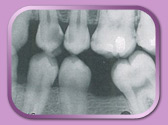
A bitewing radiograph is commonly used to examine conditions that cannot be diagnosed using a clinical exam alone, such as decay between the teeth and changes to the bone structure, caused by periodontal disease. During the procedure, we will place a lead apron over your child’s upper body to reduce radiation exposure and position a small packet of X-ray film inside their mouth. Biting the tab on the side of the packet allows us to capture the crowns of numerous upper and lower teeth on one small film. Bitewing X-rays provide us with important information that allow us to treat minor dental problems before they can cause serious damage to the mouth and teeth. PeriapicalPeriapical x-rays are commonly used when the roots, apex or nerve of the tooth needs to be analyzed. We take these only if we suspect decay, trauma to the root of the tooth. During this procedure we place a lead shield over your child’s body and thyroid structure to minimize radiation exposure. We position a digital film inside the mouth to capture the crown, root and apex of the tooth. Panoramic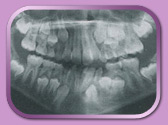
Panoramic radiographs are commonly used to analyze the underlying developing structures. The panoramic film shows all the upper and lower teeth, sinuses, developing teeth, and joint and jaw relationships. These are 1st taken in our office when the permanent incisors have erupted (between the ages of 6-9). The panoramic film allows us to examine tooth development, and jaw relationships on one film with low dosage of radiation. As your child grows and develops periodic panoramic films will be updated to monitor the proper growth and development of your child’s orofacial structures and finally to determine the viability of your child’s wisdom teeth. |

